
Ever wonder why some scientists wind up studying leeches or arachnids? If you study something cute and furry — or at least good to eat, you may be even more curious than the average person why some scientists study things that are decidedly not.
This week’s New York Times Science section has a brief article on how scientists pick their study subjects. Particularly, how biologists pick the animals that they study when those animals don’t generally have any appeal for humans.
I decided it was worth one of my 10 free NY Times articles for the month, and you might find it interesting too.
The article: For Scientists, Falling in Love May Take a Lifetime of Research

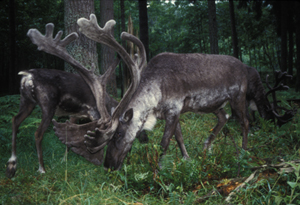
 At first they were, like gray squirrels almost everywhere in the US, abundant to the point of being a nuisance, especially to people with bird feeders. Then they were gone, or almost so. When mange struck the gray squirrels of the San Bernardino Mountains in California, people noticed, particularly in the past year.
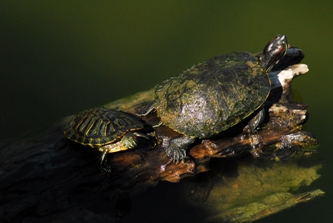 The Phoenix Zoo has been trying to get rid of the non-native turtles in the pond in the park near its entrance since 1999. The number of turtle species not native to Arizona found in the pond had declined over the last 13 years, but this year there was an increase. 142 non-native turtles were trapped, including 139 pond sliders, one spiny softshell, one painted turtle, and one eastern redbelly turtle.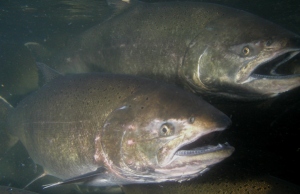
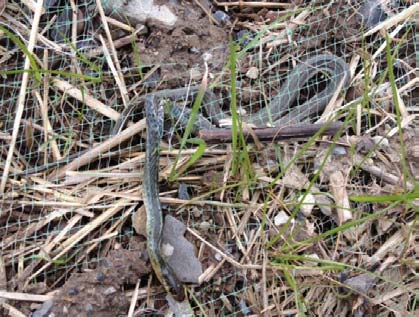 Whether its road construction, utility work, or chemical remediation, many states call for the use of some sort of landscape fabric or biodegradeable netting to prevent erosion at construction sites until plants take root.