
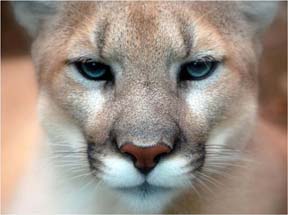
 Where are there more mountain lions? There are increases Puma concolor sightings just about everywhere, recent news reports say.
An article in The New York Times focuses on mountain lions’ expansion east from their strongholds in the Rocky Mountains and Texas. The article says that mountain lion sightings are now common in the Midwest, and it includes a map that shows recent sightings, including several in New England.
Read The New York Times article here.
In Arizona, an abundance of mountain lions in the Catalina Mountains has some folks worried about a planned release of bighorn sheep there, says an Arizona Daily Star article. A management plan calls for killing mountain lions that kill the bighorns, although the mountain lions should have plenty of other prey, the article quotes Jim Heffelfinger, regional game specialist for the Arizona Game and Fish Department as saying.
An increase in deer in the area likely lead to the increase in mountain lions, the article says.
Read the Arizona Daily Star article here.
Mountain lion populations have been going up in California for at least 20 years, with hundreds of sightings annually, but that doesn’t mean the sight of two mountain lions in Redlands, California isn’t news. Redlands is near the San Bernardino Mountains, east of Los Angleles.
Read the Los Angeles Times article here.
Photo: One of the increasing number of Midwestern mountain lions, courtesy Missouri Department of Conservation
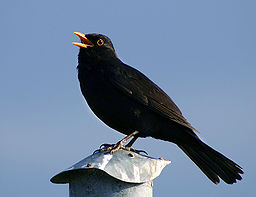 The bright lights (and noise) of the big city haven’t just made the days of songbirds longer, they have thrown a wrench in the birds’ circadian rhythms, researchers studying European blackbirds have found. The study, which is in the current issue of the
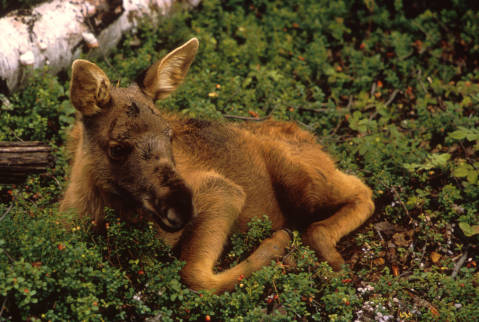 Late last month Minnesota Department of Natural Resources researchers collared 49 moose calves within hours of their birth,
 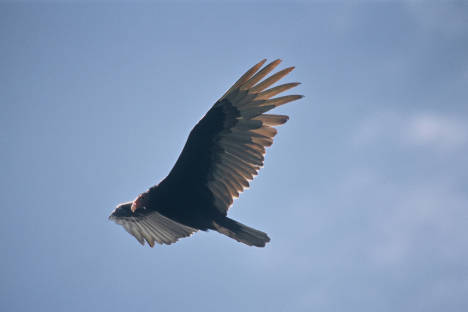 Researchers from the Hawk Mountain Sanctuary in Pennsylvania have been studying vultures throughout the New World to see if they are effective sentinels for environmental pollutants, such as lead.
 From
From 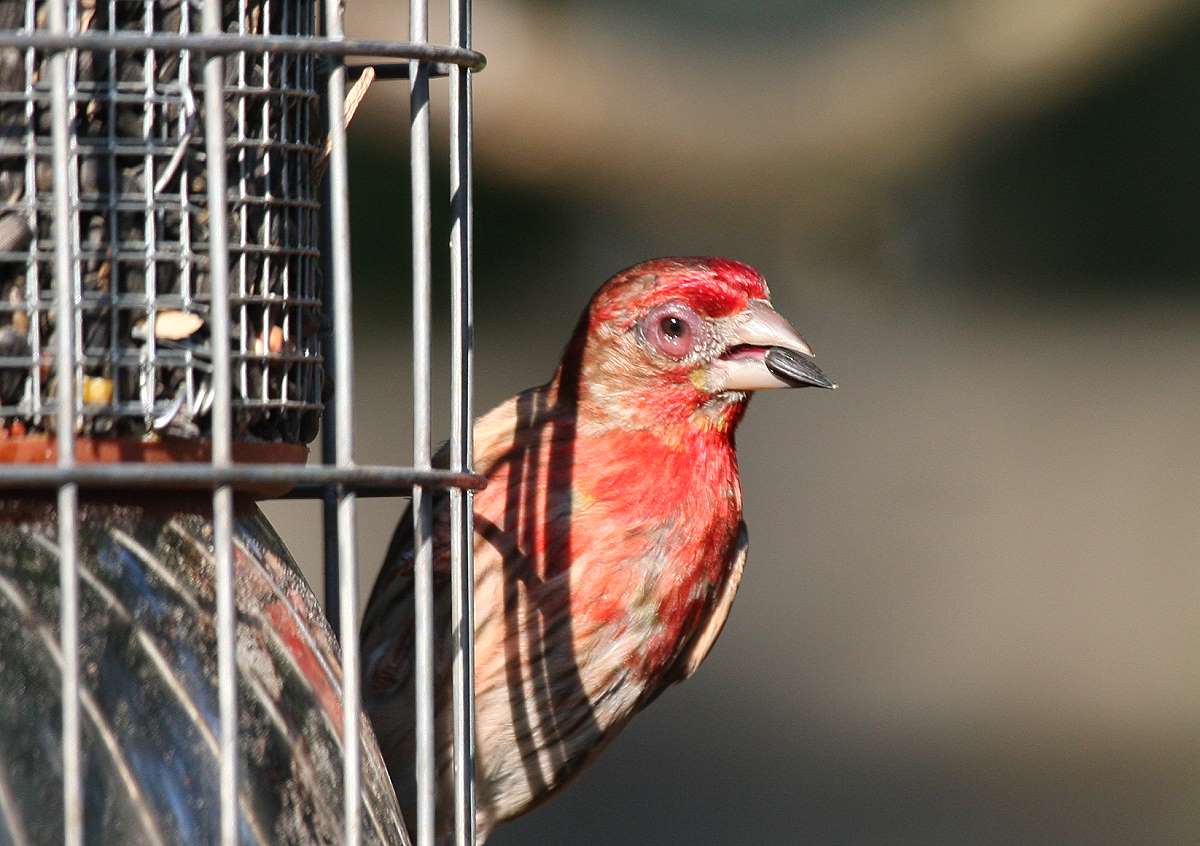 House finch eye disease, which was first struck in the 1990s, unexpectedly became more virulent over time, says a paper published this week by
 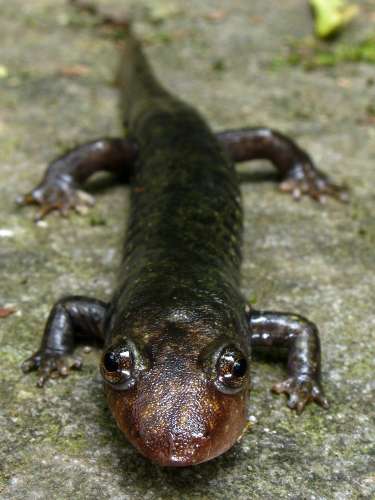 Today is the second day in a US Geological Survey amphibian two-fer. If you like your wildlife moist and federally researched, you’ve come to the right place.