
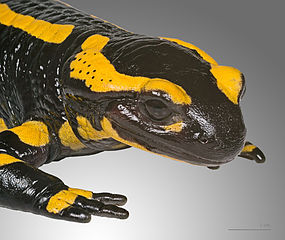
 A new species of chytrid fungus has a different ecological niche than the one that has been wiping out amphibians all over the globe, says John Platt it Scientific American’s Extinction Countdown blog.
The familiar strain of chytrid fungus thrived in warmer temperatures. The newly discovered species thrives at lower temperatures, the blog post says. The fungus was identified in salamanders in the Netherlands. Midwife toads exposed to the fungus in the lab did not die.
Is this good news or bad news? It could be good news if the fungus is only lethal to a small number of species and is only viable in a certain temperature range. Limits are good when it comes to chytrid fungi.
However, if this species of chytrid fungus is totally different from the other species that has already done a good job of wiping out amphibians worldwide in everything but how lethal it is — in could just hit amphibian species and environments that the other species hasn’t gotten to yet, which would be very bad news indeed.
Read the Extinction Countdown blog post here.
Read the Proceedings of the National Academy of Sciences paper here. (Fee or subscription required for full article.)
Photo: Fire salamander in France, by Didier Descouens. Used under Creative Commons agreement.
 Today is the second day in a US Geological Survey amphibian two-fer. If you like your wildlife moist and federally researched, you’ve come to the right place.
 There have been studies that have calculated the likelihood of extinction for various amphibian species, but the first study to calculate how fast amphibian populations are declining was recently published in
 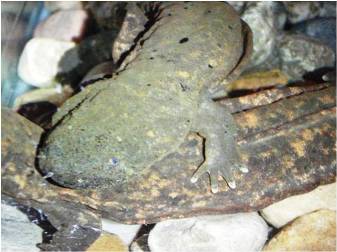 Hellbenders are the America’s largest aquatic salamander and can reach over two feet in length. In New York, they are only found in the Allegheny and Susquehanna River river drainages. According to the
 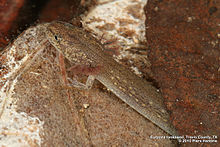 Nathan F. Bendik of the City of Austin’s Watershed Protection Department and Andrew Gluesenkamp, the state herpetologist with Texas Parks and Wildlife Department, were not surprised when the tails of an endangered salamander, Eurycea tonkawae, were thinner when measured during a drought.