
 Lots of state wildlife agencies have residents counting turkey broods, and New Hampshire does too. But, says an article in the Eagle-Tribune, the New Hampshire Fish and Game Department has also been successful getting residents to survey the state’s dragonflies and its reptiles and amphibians.
The dragonfly count has been good news for the scarlet bluet, a rare damselfly that had only been spotted in the state five times before. During the citizen science dragonfly survey, there were 40 reports of the species, the article says.
“It was incredible,” Preston said. “We know so much more about dragonflies than we ever have before,” Emily Preston, a wildlife biologist for New Hampshire Fish and Game is quoted as saying in the article.
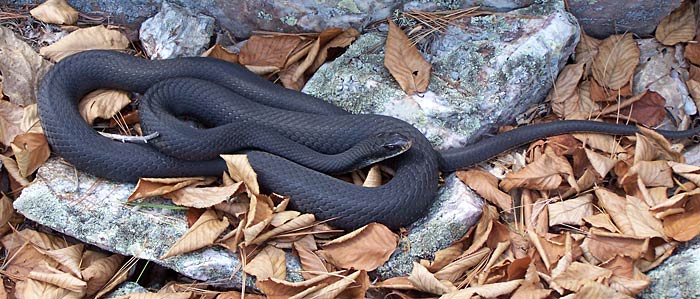
Citizen surveys of reptiles and amphibians have also turned up new locations for the endangered Blanding’s turtle and the threatened black racer, a snake.
Butterflies may be next, the article says.
Read the Eagle-Tribune article here.
Photo: Black racer, courtesy of NH Fish and Game
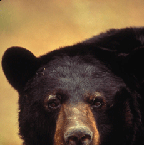 The Minnesota Department of Natural Resources has not renewed the research permit of an Ely man because he hand-feeds the bears he studies and has not published a peer-reviewed article in the 14 years that he has held the permit, an article in the St. Paul Pioneer Press says.
 You may remember toxoplasmosis being the key factor in the deaths of sea otters a few years ago. (If not,
 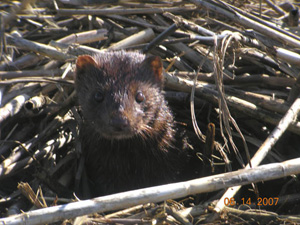 The Florida Fish and Wildlife Conservation Commission (FWC) would like to learn more about Florida’s three subspecies of mink, and it is reaching out to the public for help.
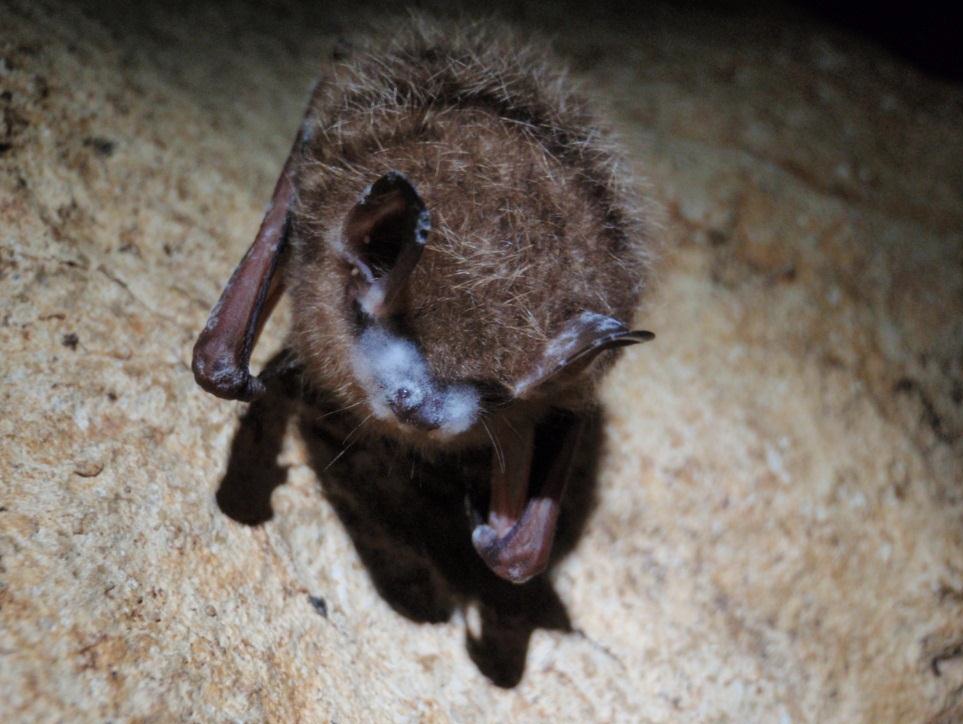 Bats move around a lot. Some bats migrate. Some bats move from summer or maternity roosts to winter hibernation caves. Finding out how bats move has suddenly become extremely important. White nose syndrome seems to be following the known patterns of bat movement. But just so little is known.
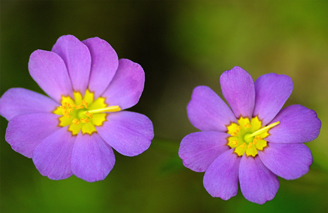 Nineteen new species have been added to Nova Scotia’s list of species at risk, bringing the total listed in the province to 60, according to a
 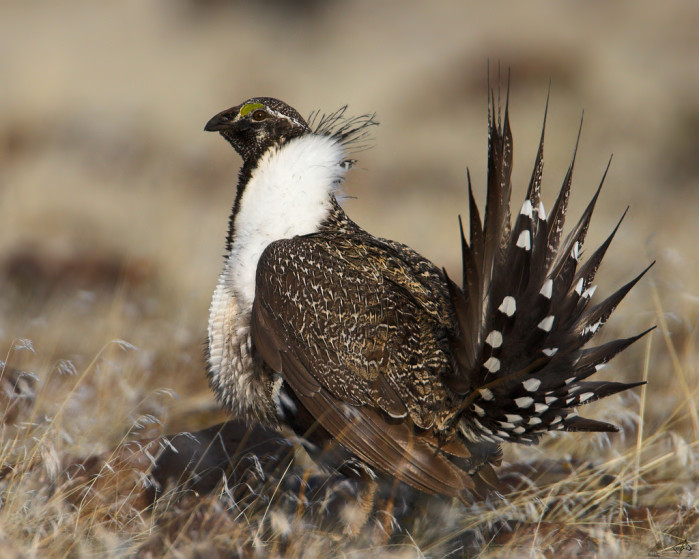 On Wednesday, NPR had a piece on the Sage Grouse Initiative in Montana. There are photos and audio (or you can just read the article).
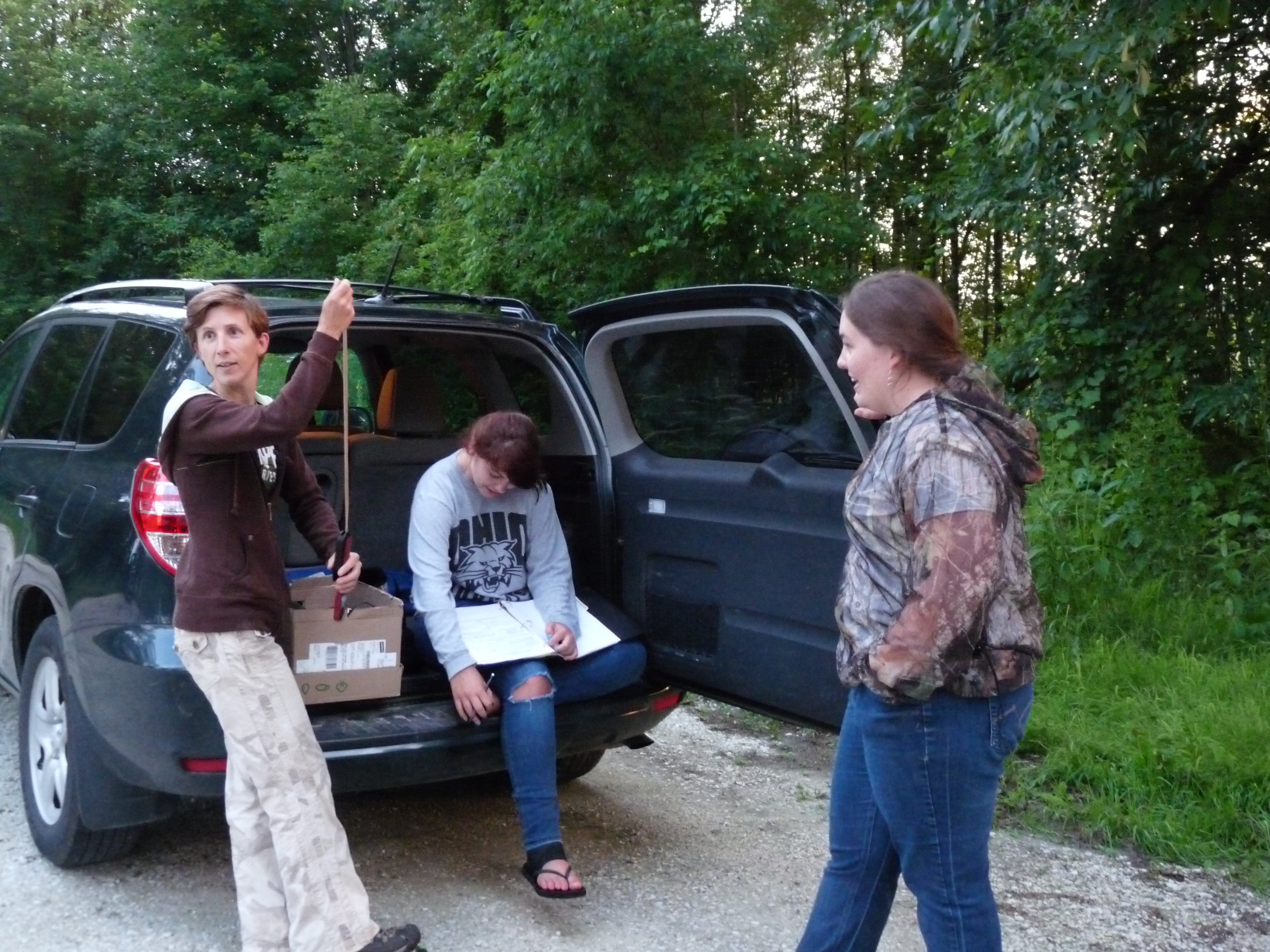 Because of white nose syndrome (WNS), counting bats is more important than ever. In regions where WNS has already struck, wildlife researchers are tracking survival rates. In regions where it hasn’t struck, wildlife researchers are collecting baseline data.