 Nineteen new species have been added to Nova Scotia’s list of species at risk, bringing the total listed in the province to 60, according to a Nova Scotia Department of Natural Resources press release and a CBC News report.
Three bat species are on the list, including the little brown bat, the northern bat and the tri-colored bat, which are all listed as endangered. Three bird species have been added to the list as endangered: the barn swallow, Bicknell’s thrush, Canada warbler, and the rusty blackbird. The olive-sided flycatcher and the eastern whip-or-will have been listed as threatened.
The black ash tree is listed as threatened. There are only 12 known mature trees in the province, the department press release says.
For the complete list of species, see the Nova Scotia DNR website, here. (New species are marked with the year 2013.)
Read the Nova Scotia DNR press release here.
Read the CBC News story here.
The web page with the complete list of at risk species is here.
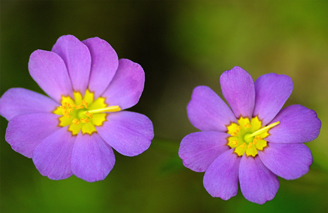
Photo: The Plymouth gentian has been listed as endangered in Nova Scotia. Courtesy of the Nova Scotia DNR.
 After 40 years as the Wisconsin Bureau of Endangered Resources, the program charged with caring for that state’s endangered resources is now known as the Bureau of Natural Heritage Conservation. The change took place on July 1.
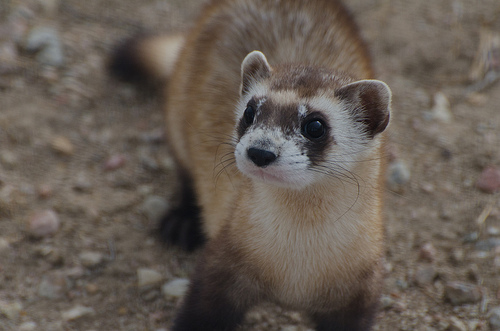 “The most feasible action that would benefit black-footed ferret recovery is to improve prairie dog conservation,” said Pete Gober, black-footed ferret recovery coordinator for the
 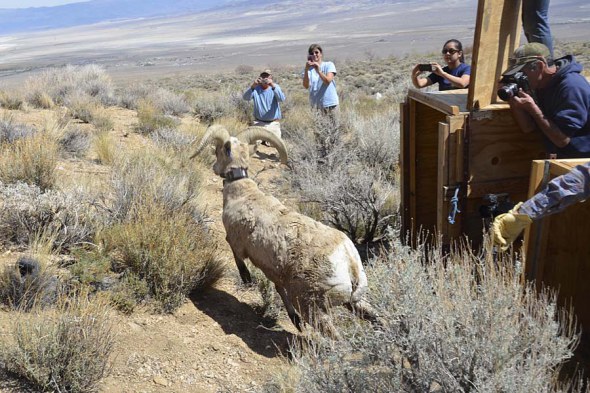 “Our recovery goals are both numeric and geographic,” said Tom Stephenson, California Department of Fish and Wildlife bighorn recovery program leader, in an article in
 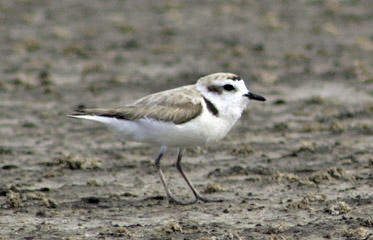 The Kansas Department of Wildlife, Parks and Tourism (KDWPT) has begun a review of threatened, endangered, or species-in-need-of-conservation (SINC) species,
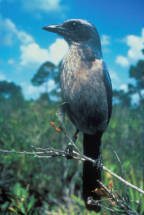 Last year the US Fish and Wildlife Service quietly handed over the responsibility for issuing incidental take permits for species listed under the federal Endangered Species Act to the Florida Fish and Wildlife Conservation Commission, according to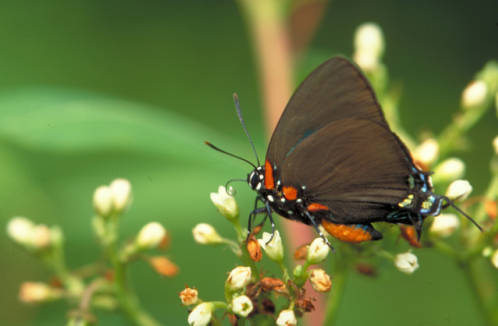
 The recent issue of