 A vault toilet is a more or less a permanent porta-potty, used in places without running water. Many state and federal agencies are fond of them. I’m fairly certain that I’ve used one in a National Forest recently.
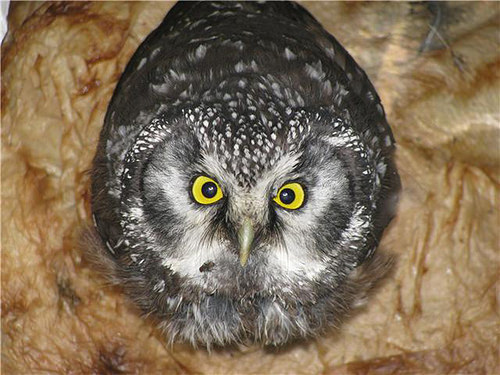
The problem is small, cavity nesting birds. They see that pipe, think it’s a cavity, slide down into the pit and are unable to get out. At particular risk are western screech and northern saw whet owls, says a recent USDA blog post.
Recently, the Forest Service’s Wings Across America gave an award to the Teton Raptor Center for its Poo-Poo Project. According to the project’s website: “In 2010, Teton Raptor Center initiated a community driven project to install 100 screens on the ventilation pipes of toilets throughout Grand Teton National Park, as well as the Bridger-Teton and Caribou-Targhee National Forests.”
Problem solved. Are the vault toilet vents in your state capped?
The Poo Poo project sells the screened vent caps for about $30 each, including hardware and shipping and handling. They offer a bulk rate too. The order form is here.
Here’s the US Forest Service blog post.
Here’s the Poo Poo Project website.
Photo: This is what an owl stuck in a vault toilet looks like. USDA Forest Service photo.
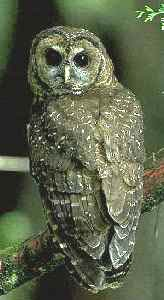 Efforts around the country to remove troublesome creatures — whether invasive or otherwise — have been met with a variety of reactions. In all cases the creatures are being removed because they are harming an ecosystem.
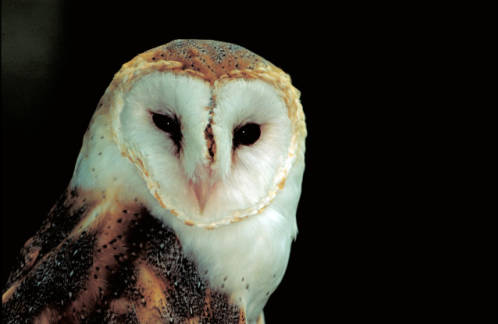 Delaware Division of Fish and Wildlife biologists began banding barn owls at the beginning of June. Since the annual banding project began in 1996, the biologists have banded 598 barn owls,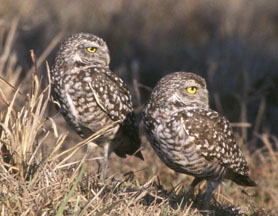
 Potent second generation anticoagulant rodenticides (ARs; aka, rat poisons) kill birds, particularly raptors in the United States and Canada. Canada will ban sales of these poisons on January 1, while in the U.S. talk of banning consumers from using the poisons has been around for a while, but never seems to be enacted.