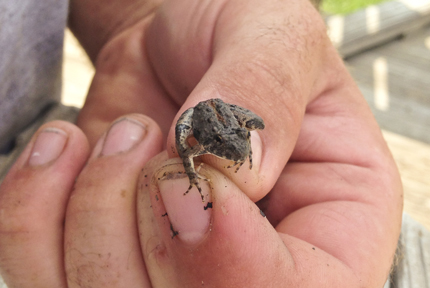
 A press release from Wichita State University says that students there have detected chytrid fungus in the frogs they tested. A previous test of five Kansas frogs did not detect chytrid fungus.
Read the Wichita State press release, here.
Pro-MED has lots of helpful technical details about chytrid fungus in its commentary about the press release, including its complex life cycle and its role in the worldwide decline of amphibians.
Read the Pro-MED comment, here.
In reading that chytrid fungus was newly found in Kansas, I found myself wishing for a map of its presence, as is available for white nose syndrome in bats and chronic wasting disease in deer. You can find that map right here.
Photo: One of the frogs tested. By: Lainie Rusco, used courtesy of Wichita State University
 The Montana Department of Fish, Wildlife & Parks has reported an avian salmonella outbreak in Billings, Montana,
 A recent study by researchers at
 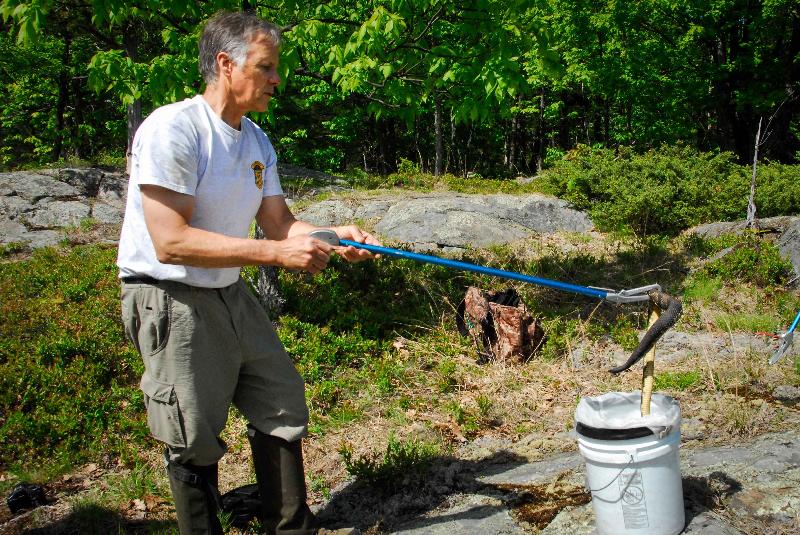 Nashville Public Radio
 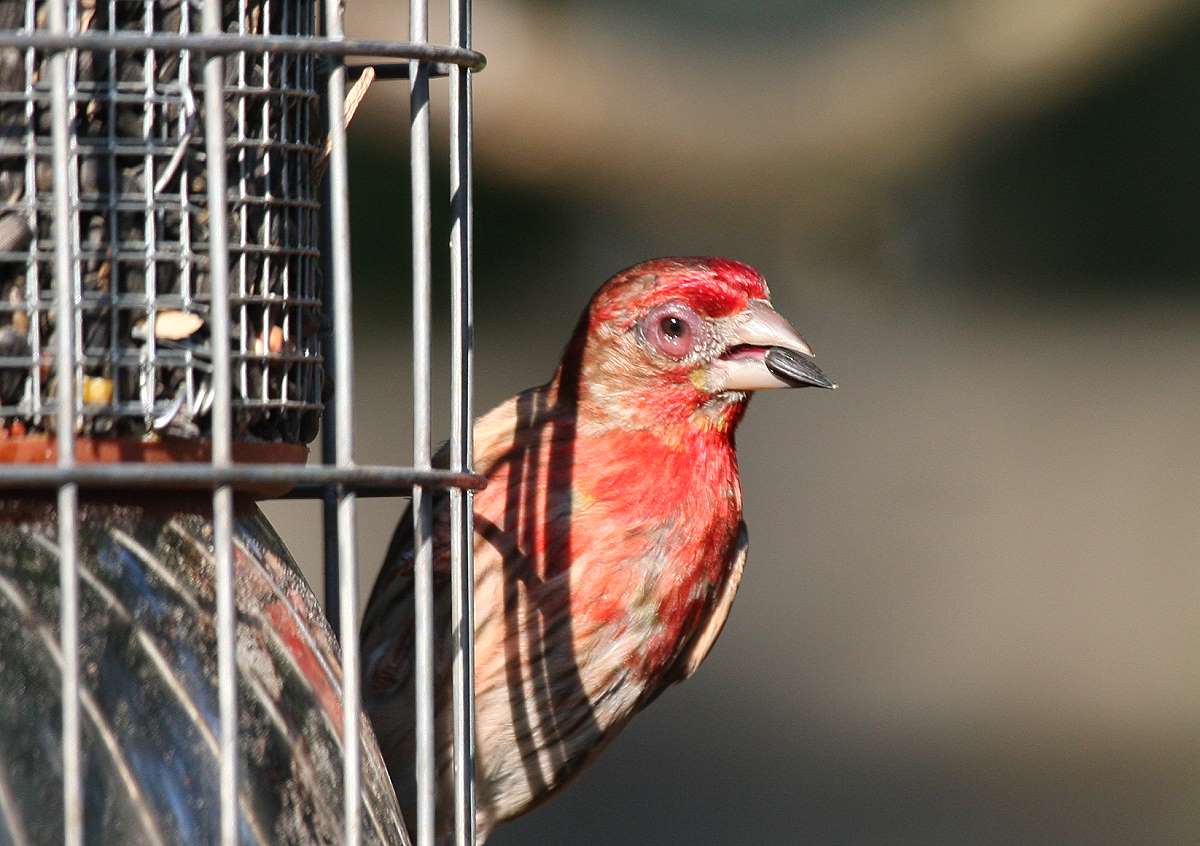 House finch eye disease, which was first struck in the 1990s, unexpectedly became more virulent over time, says a paper published this week by
  California Department of Fish and Wildlife (CDFW) researchers have captured and collected hair and blood samples from more than 600 deer and elk in an effort to understand “deer hair-loss syndrome,” says
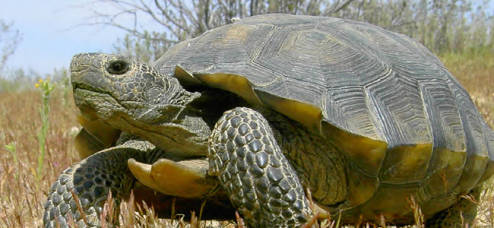 For decades, captive tortoises have suffered from a mysterious ailment known as “upper respiratory tract disease.” The disease was known in captive tortoises in Europe and the United States, according to
 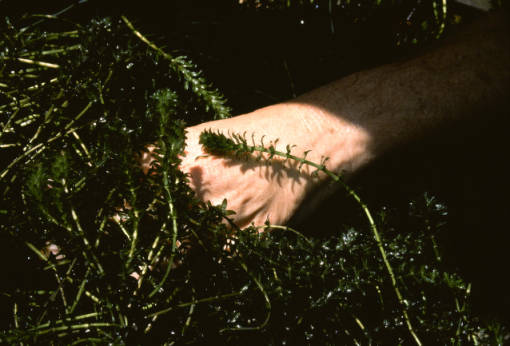 Clarks Hill Lake in Georgia was home to seven bald eagle nesting territories a few years ago. Today, only one nesting territory on Clarks Hill remains. The culprit is Avian Vacuolar Myelinopathy, or AVM, a mysterious syndrome that has killed thousands of coots and dozens of bald eagles in the southeastern United States, says
 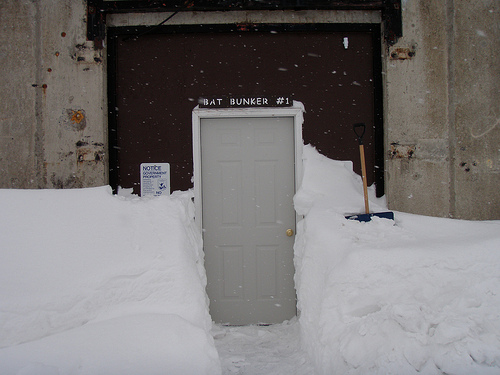 Thirty bats from New York and Vermont, some of which were visibly infected with white nose syndrome (WNS), were moved to a specially-prepared military bunker in Maine to spend the winter. Nine bats survived, a higher percentage than would have been expected if they had been left in the wild. Those bats were returned to the locations where they were found.