Newspapers all over the country picked up this Associated Press article about the decline of wildlife rehabilitators in Wisconsin. The story says that half as many people are licensed as wildlife rehabilitators as were 12 years ago. In 2001 there were 225 organizations licensed and today there are 113.
The AP story did not dig deeper, but an article in the Press of Atlantic City that reported a similar trend in New Jersey back in February, did. It found that rehabilitator numbers are down in Florida and California as well.
Not having enough wildlife rehabilitators puts a strain on police, who must respond to distressed animal calls instead of a trained rehabilitator, and is, in general, a public relations black eye for state wildlife departments, who often must kill ill or injured animals when rehabilitation is not an option.
In New Jersey, a Wildlife Rehabilitator’s Act aims to increase the number of rehabilitators in the state by reducing red tape (by creating a licensing committee that is “in but not of” the state wildlife department) and changing the training requirements for rehabilitators. But the various bills put forward in the state senate and assembly have been controversial.
The NJ Division of Fish and Wildlife has created a wildlife rehabilitators advisory committee in attempt to get things on the right track. You can read agendas and minutes for the committee here.
Read the AP story on Wisconsin rehabilitators, here.
Read the Press of Atlantic City article, here.
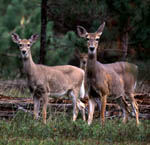 The Wisconsin Department of Natural Resources wants a four-day antlerless deer hunt as part of its strategy against Chronic Wasting Disease. Wisconsin Governor Scott Walker has cancelled that hunt, reports the
 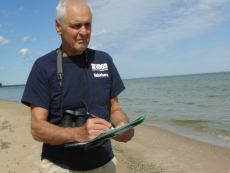 Where did the turtle cross the road? A citizen scientist has the answer, particularly in Massachusetts, where over the last few years citizen scientists have been tracking turtle crossings as part of the Turtle Roadway Mortality Monitoring Program. Volunteers are trained by Linking Landscapes for Massachusetts Wildlife, a partnership between Division of Fisheries and Wildlife (DFW), Department of Transportation (DOT) Highway Division and the University of Massachusetts-Amherst.
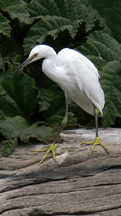 The Wisconsin Department of Natural Resources (DNR) has proposed changes to the state’s endangered species list.