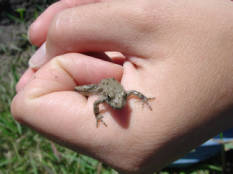
 The northern cricket frog is one of New York State’s two endangered amphibians. New York State law does not require recovery plans for endangered species, but the state Department of Environmental Conservation has proposed one for this species, a recent department press release says.
The plan includes conserving appropriate, but unoccupied habitat. The plan also included reintroducing frogs to unoccupied habitat, but only “if suitable habitat still remains, northern cricket frog habitat requirements are understood, and a funded and scientifically sound protocol is in place to monitor northern cricket frog abundance and assess potential causes of decline at any re-introduction site.”
In other words, more research is needed. There is a very brief paragraph about data gaps, and an even briefer one about recovery partnerships. A long list of potential tasks, includes sections on research and recovery tasks.
The comment period on the plan closes a week from today, Feb. 21, 2014.
Download the recovery plan here.
Read the NYS DEC press release about the plan here.
Read a Reptile Magazine article about the plan here.
Photo: Northern cricket frog at Neal Smith National Wildlife Refuge in Iowa. Photo by Sara Hollerich, used courtesy US Fish and Wildlife Service.
 From a
 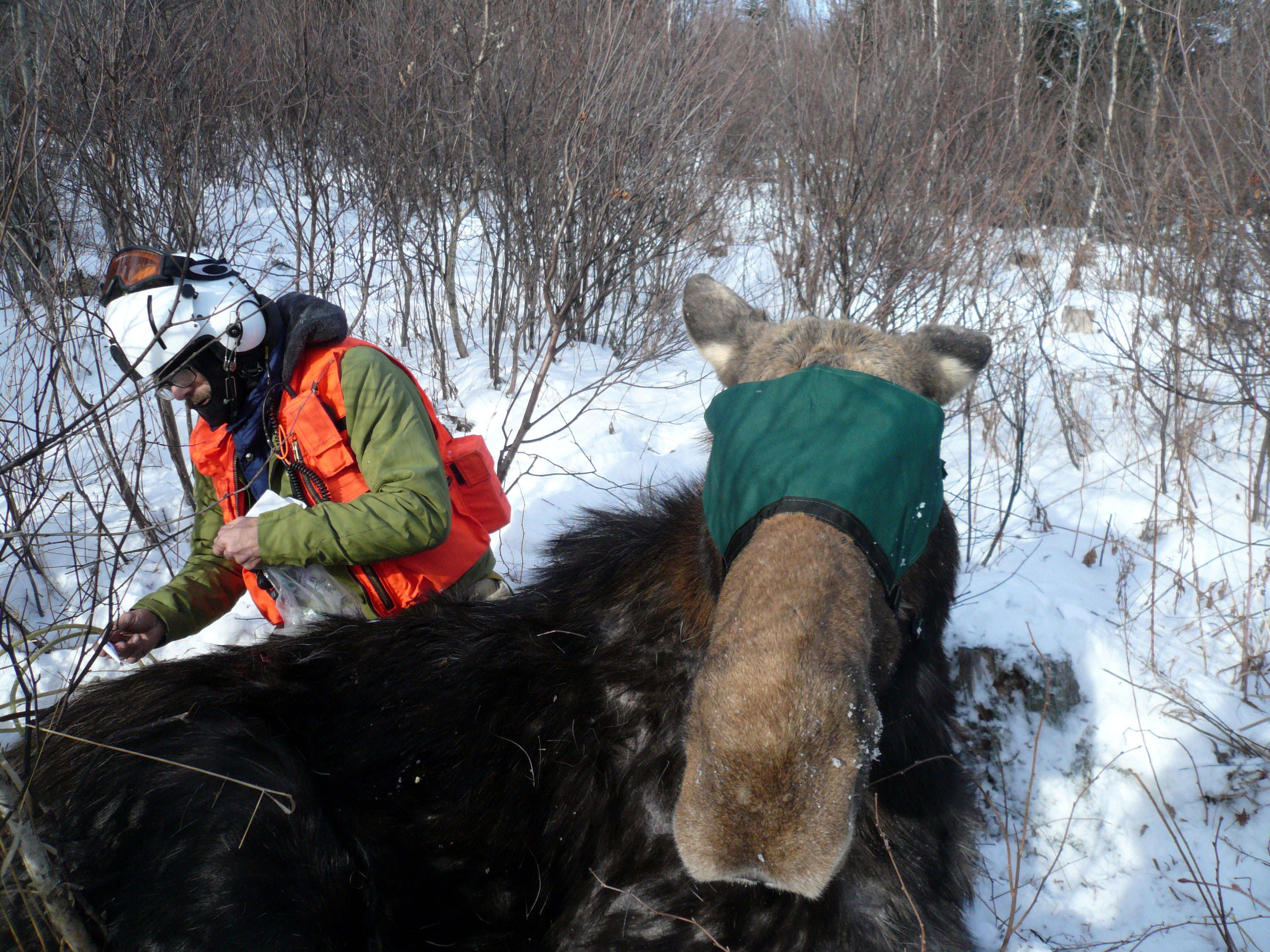 A total of 43 moose were captured and collared during the first two weeks of a three year moose study in New Hampshire,
 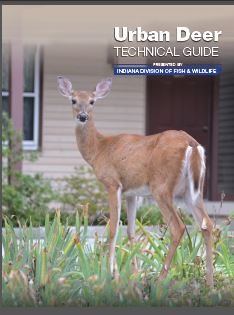 The Indiana Department of Natural Resources Division of Fish & Wildlife has put together a 32-page online booklet to help municipalities better understand deer and available management options. The impact of white-tailed deer within urban communities is not just a problem in several Indiana communities, but is a growing problem nationwide.
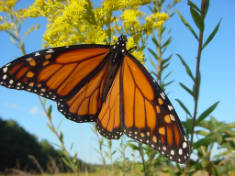 Depending on where you live, you may have noticed it in autumn. There were very few monarch butterflies around. It wasn’t unexpected. Numbers were low last winter in Mexico, and the weather over the summer didn’t favor the hatching of new monarchs.
 After detecting the fungus that causes white nose syndrome, but not seeing any bats with the disease, for two winters in a row, dead bats showing the symptoms caused by the white nose syndrome fungus were found in an Arkansas cave on January 11, an
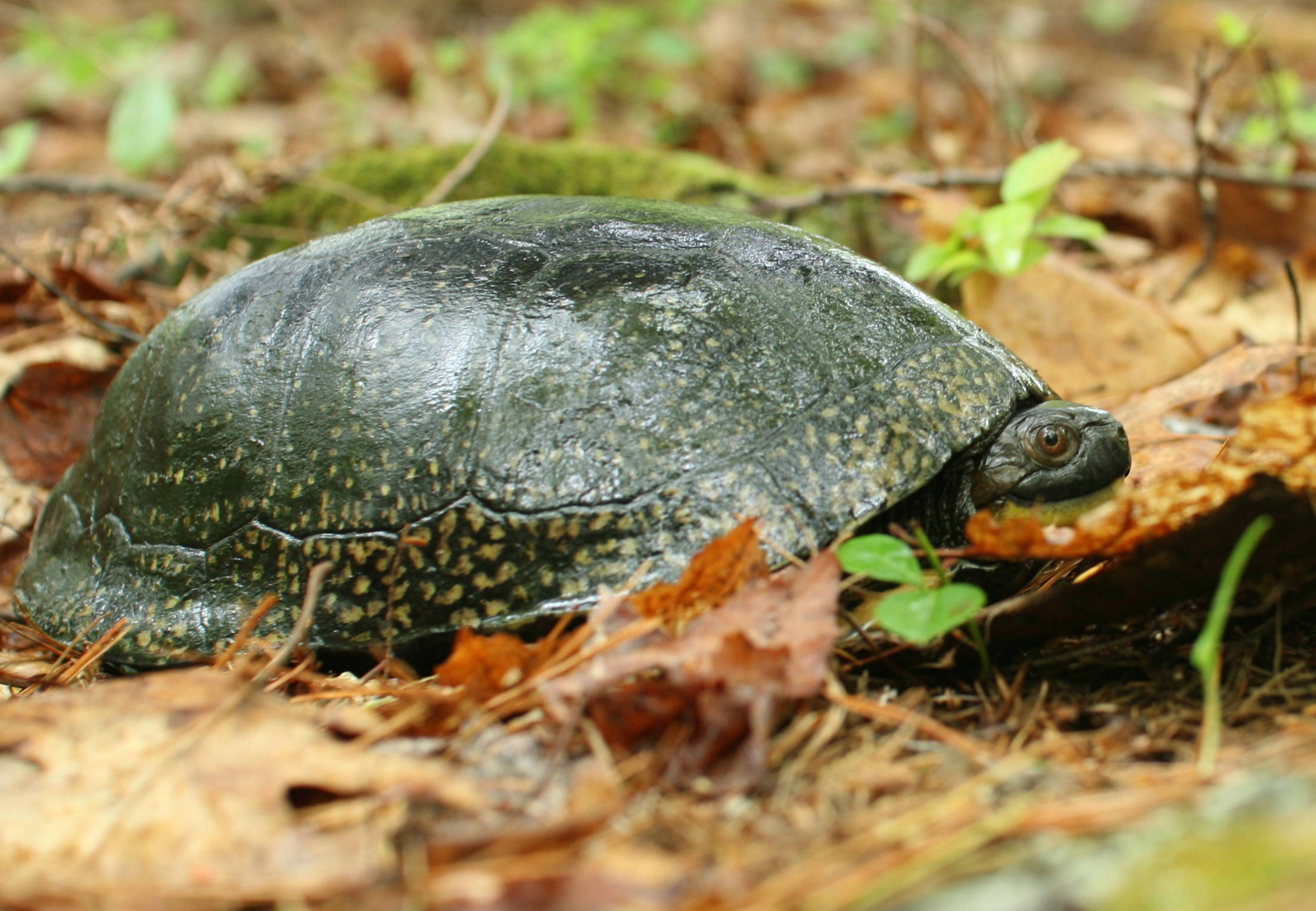 Fifteen native birds, plants and other animals have been removed from Wisconsin’s endangered and threatened species list effective Jan. 1, 2014, says a
 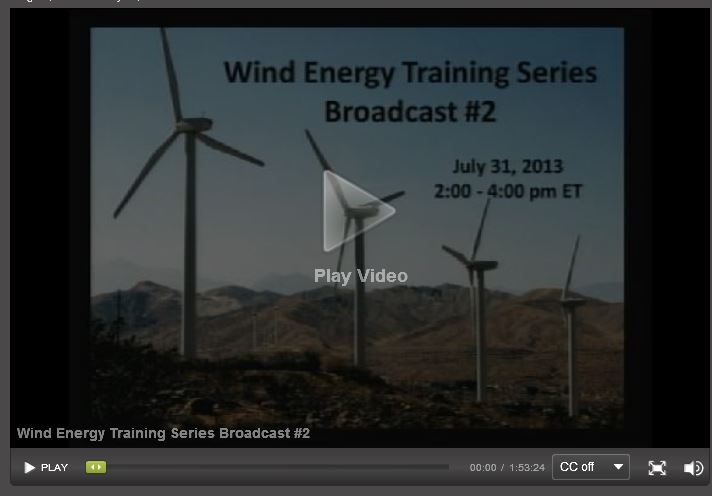 Has reviewing wind power project siting proposals become part of your department’s responsibilities? The US Fish and Wildlife Service (USFWS) is holding a training on Weds., Jan. 29. Other broadcasts in the series cover other aspects of wind turbine siting. Here’s the announcement from USFWS: