
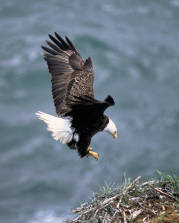
 Potent second generation anticoagulant rodenticides (ARs; aka, rat poisons) kill birds, particularly raptors in the United States and Canada. Canada will ban sales of these poisons on January 1, while in the U.S. talk of banning consumers from using the poisons has been around for a while, but never seems to be enacted.
“In a study of more than 130 dead birds of prey found in and around Vancouver, Canada, ‘virtually 100%’ of the owls and a large proportion of the hawks had residues of at least one second-generation AR in their livers,” said a news story in the journal Nature last month.
The Canadian Cooperative Wildlife Health Centre blog illustrates just how tough it can be to diagnose AR poisoning in raptors. A toxics screen of the bird’s liver may be the only sign that AR poisoning was the cause of death, the blog says.
Read the Nature article, here.
Read the CCWHC blog post, here.
We’ve covered this subject before. Read one of our previous posts, here.
Photo: bald eagle by Dave Menke, USFWS
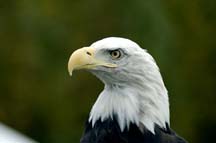
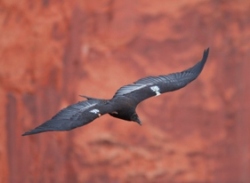
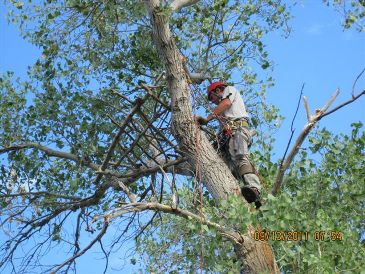 After three years of ticks killing off bald eagle nestlings in Arizona, the Arizona Game and Fish Department constructed “starter nests” in nearby trees. This year the bald eagle pair used one of the man-made nests and successfully fledged two young,
 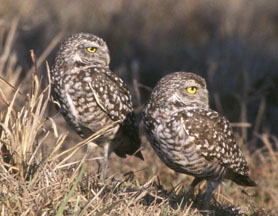 Back in 1995, the California Department of Fish and Game released a report on burrowing owls that described how to survey for them and steps that could be taken to mitigate loss of habitat. Yet, the numbers of burrowing owls in California have continued to decline.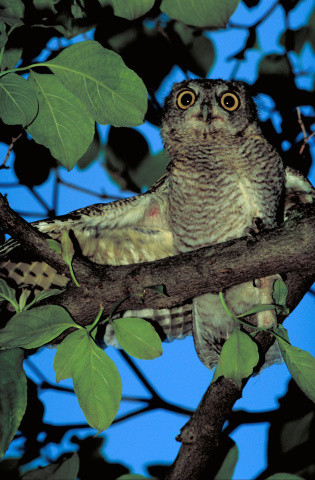
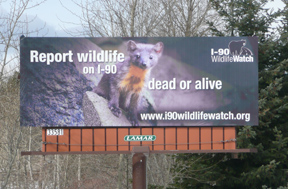 Spring is here and a bunch of wildlife surveys are underway around the country.