
 This is the first time I’ve heard endangered species news through a city business journal, but perhaps I’m just reading the wrong publications.
The Austin Business Journal reports that US Fish and Wildlife director Dan Ashe has agreed to meet with stakeholders in Williamson County, Texas to discuss the possible listing of four salamander species.
According to the US Fish and Wildlife’s Ecological Services website, these salamanders are: Austin blind salamander (Eurycea waterlooensis), Jollyville Plateau salamander (Eurycea tonkawae), Georgetown salamander (Eurycea naufragia), and Salado salamander (Eurycea chisholmensis). All four salamander species are entirely aquatic and depend on water from the Edwards Aquifer to survive.
The USFWS information says that these salamanders are totally aquatic, with no known terrestrial form.
A press release from US Senator John Cornyn (R-TX) says that he set up the summit.
Read the Austin Business Journal article here.
Read the USFWS Texas salamander page here, with lots of links to Federal Register listings and other info.
Read Sen. Cornyn’s press release here.
Photo: Salado salamander by R.D. Bartlett, courtesy of USFWS
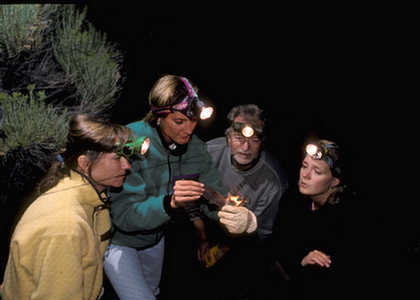 Bat Conservation International
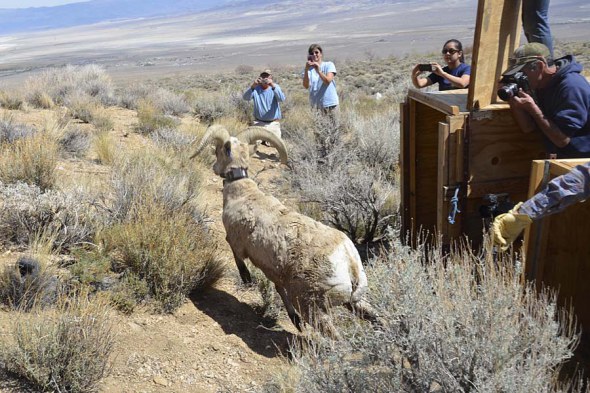 “Our recovery goals are both numeric and geographic,” said Tom Stephenson, California Department of Fish and Wildlife bighorn recovery program leader, in an article in
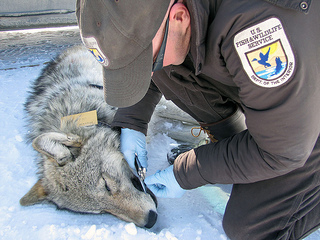 restoration efforts in the region began.
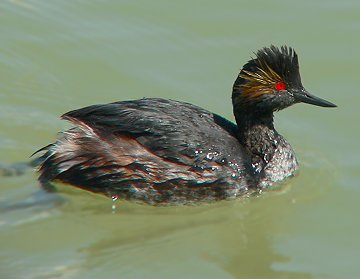 Some 5,000 eared grebes mistook pavement for water at the Dugway Proving Ground in Utah,
 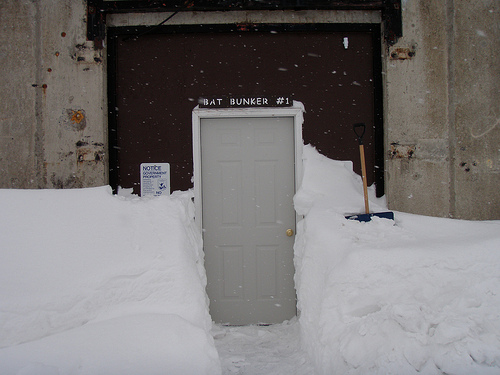 Thirty bats from New York and Vermont, some of which were visibly infected with white nose syndrome (WNS), were moved to a specially-prepared military bunker in Maine to spend the winter. Nine bats survived, a higher percentage than would have been expected if they had been left in the wild. Those bats were returned to the locations where they were found.
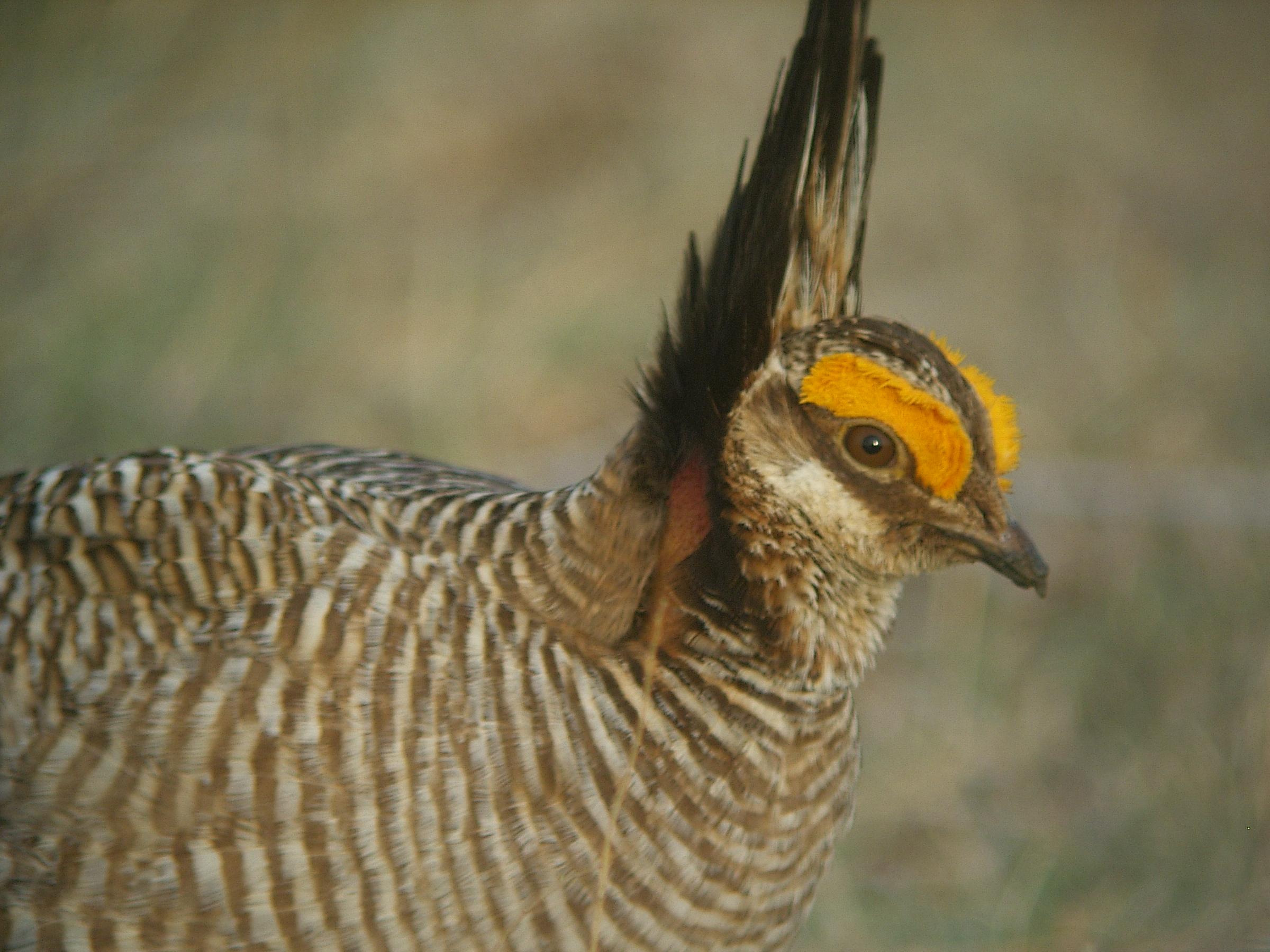 Five states submitted a plan for conserving lesser prairie chickens to the US Fish and Wildlife Service last week. It is the third draft for the plan, Lone Star Outdoor News reports. The five states are Colorado, New Mexico, Texas, Kansas and Oklahoma. The multi-state conservation plan is a bid to keep the bird of the federal endangered species list.