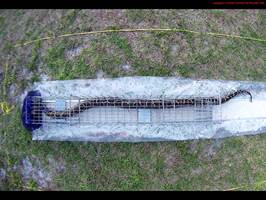
 It’s got to be a really big snake to trip the trap recently patented by the US Department of Agriculture’s National Wildlife Research Center (NWRC). But that’s the point. The idea is to live trap invasive pythons in Florida while leaving the native snakes alone. One difference between the native snakes and the non-native pythons is that the pythons tend to be a lot bigger.
“Though the trap is based on a standard live trap design, the Large Reptile Trap is the first to require two trip pans to be depressed at the same time in order to close the trap door. The pans are spaced such that non-target animals are unlikely to trigger the trap,” said NWRC wildlife biologist and trap inventor John Humphrey in a USDA Animal and Plant Health Inspection Service (APHIS) press release.
The big question now is: will it work?
Read more about the trap and the invasive python problem in Florida in the Christian Science Monitor, here.Or read the APHIS press release here.
Photo: New python trap. Courtesy USDA APHIS.
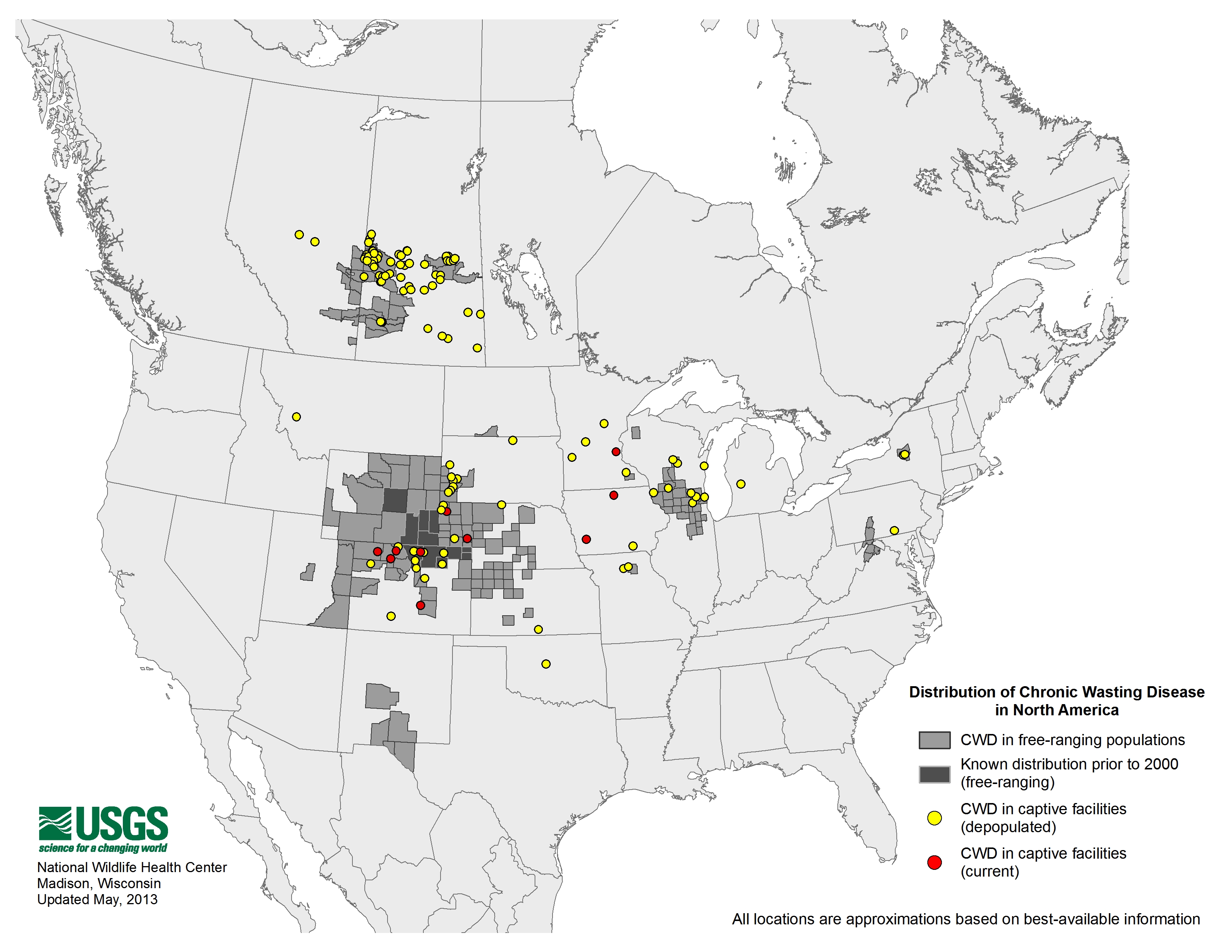 Plants, including crop plants such as alfalfa and tomatoes, may serve as a reservoir for the prions, or misfolded proteins, that cause chronic wasting disease in deer (as well as other prion diseases such as scrapie in sheep, and mad cow disease), reports
 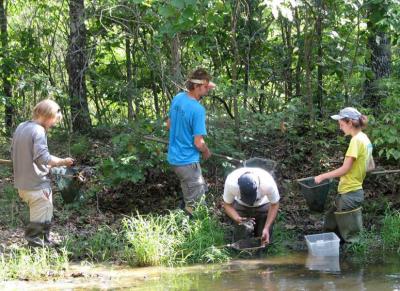 About a third of the ponds in a Missouri study harbored chytrid fungus. A
 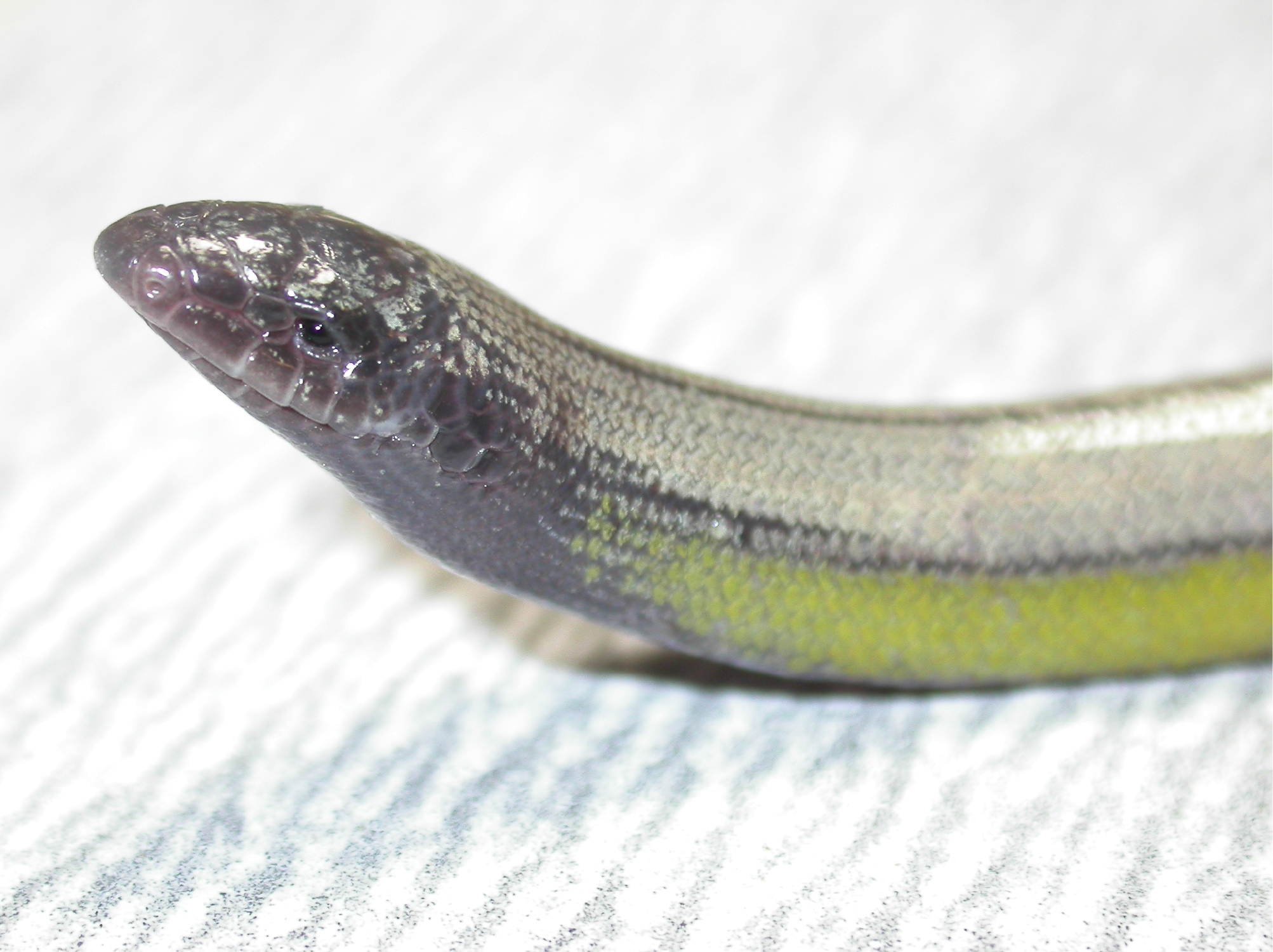 Four new species of legless lizards have been discovered in California, joining the one species of legless lizard that was previously known in the state.
 Illinois Department of Natural Resources furbearer biologist Bob Bluet told the
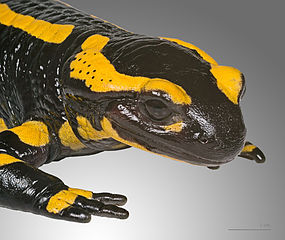 A new species of chytrid fungus has a different ecological niche than the one that has been wiping out amphibians all over the globe, says John Platt it
  A press release from
 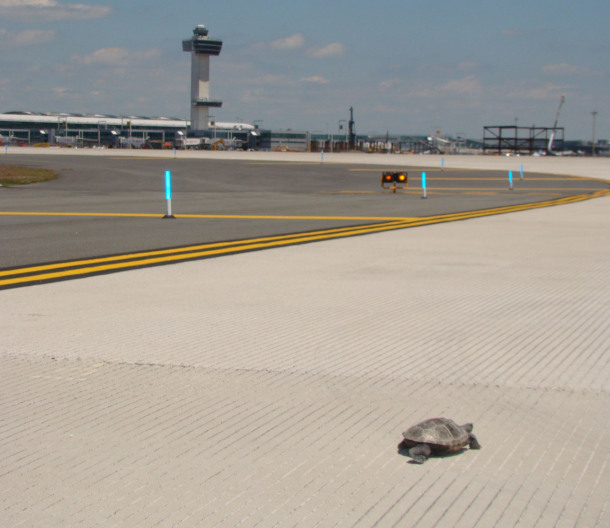 Sure, you know all about roads and wildlife, but roads are not the only place that wildlife and human infrastructure can do bad things to each other. Two recent stories point out some of the more unusual ways that wildlife influences modern life, and how our modern structures influence the survival of wildlife. (Although that sounds so serious. One of these stories is “cute,” and the other has been mostly reported as “cute.”)